Aluminium vs Steel Tipper Bodies: The Real Payload Math on a 3.5-Tonner
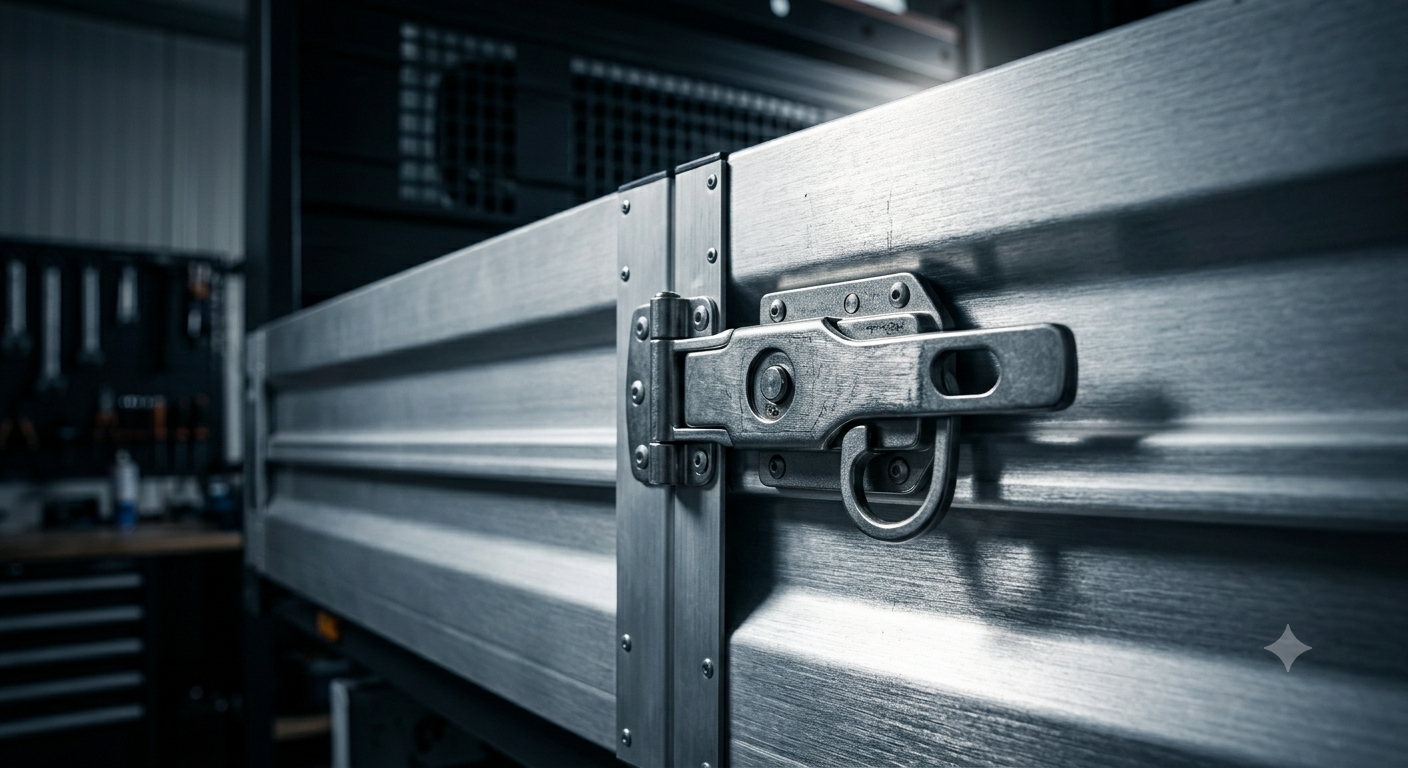
A mild steel tipper body weighs ~650 kg, an aluminium one ~400 kg. On a 3.5-tonner that difference is 20-25% more cargo on every trip. The full payload math, in numbers.
On a 3.5-tonne chassis, payload is a zero-sum game. The chassis weight is fixed, the legal limit is fixed — so every kilogram of body you bolt on is a kilogram of cargo you will never carry. And yet body weight is the specification buyers check last, after price and delivery time. Here is why it should be first.
The numbers
Industry figures from established European body builders put a typical mild steel tipper body at roughly 650 kg. High-strength steel construction brings that down to around 510 kg. An all-aluminium body weighs in the region of 390-410 kg — roughly 250 kg lighter than the mild steel equivalent.
On a 3.5t tipper, where real-world payloads sit between 1,000 and 1,200 kg, those 250 kg are not a rounding error. They are 20-25% more cargo on every single trip.
What that means in money
Take a landscaping or construction firm moving 12 tonnes of material a day. At 1,000 kg per trip, that is 12 trips. At 1,250 kg per trip, it is 10. Two trips saved per day, every day — fuel, driver hours, tolls, wear. Over a typical 5-year body life, the lighter body pays its price difference back several times over. With an electric chassis the math gets even sharper, because the battery already consumed part of your payload budget.
The old objection: aluminium is not strong enough
Modern aluminium bodies use anodized profiles, welded subframes and steel-reinforced tipping gear where it matters. Corrosion behaviour is the opposite of steel: no rust, no repainting, higher resale value. For genuinely abusive duty — demolition rubble, heavy scrap — a steel-floor variant or our 3-way steel tipper line remains the right choice. The point is not that aluminium always wins; it is that the body material should be chosen by calculating, not by habit.
How Kit-Go builds it
Our aluminium dropside and tipper kits use anodized aluminium boards with TIR hinges and fully welded subframes, delivered CKD, partially or fully assembled — with the exact body weight listed on every product page, so you can do this math before you buy. Steel 3-way tippers (3WT) cover the heavy-duty end, with electric-hydraulic or PTO pumps, for chassis from Iveco Daily to Sprinter, Crafter, Transit and Master.
Every kilogram matters
250 kg lighter body.25% more cargo every trip.
Kit-Go aluminium tipper and dropside bodies are specified by weight on every product page — so you can calculate payload before you order. CKD to fully assembled, for all major LCV chassis, with transparent volume pricing.
~390 kg
Aluminium body weight
−250 kg
vs mild steel body
+25%
More payload per trip
Browse aluminium kits →
Request B2B quote
Sources: body weight ranges reported by UK industry press (What Van?) and builders VFS and Tipmaster; Kit-Go product specifications.