Electrifying Europe's LCVs: Trends in the 3.5–7.5t Segment
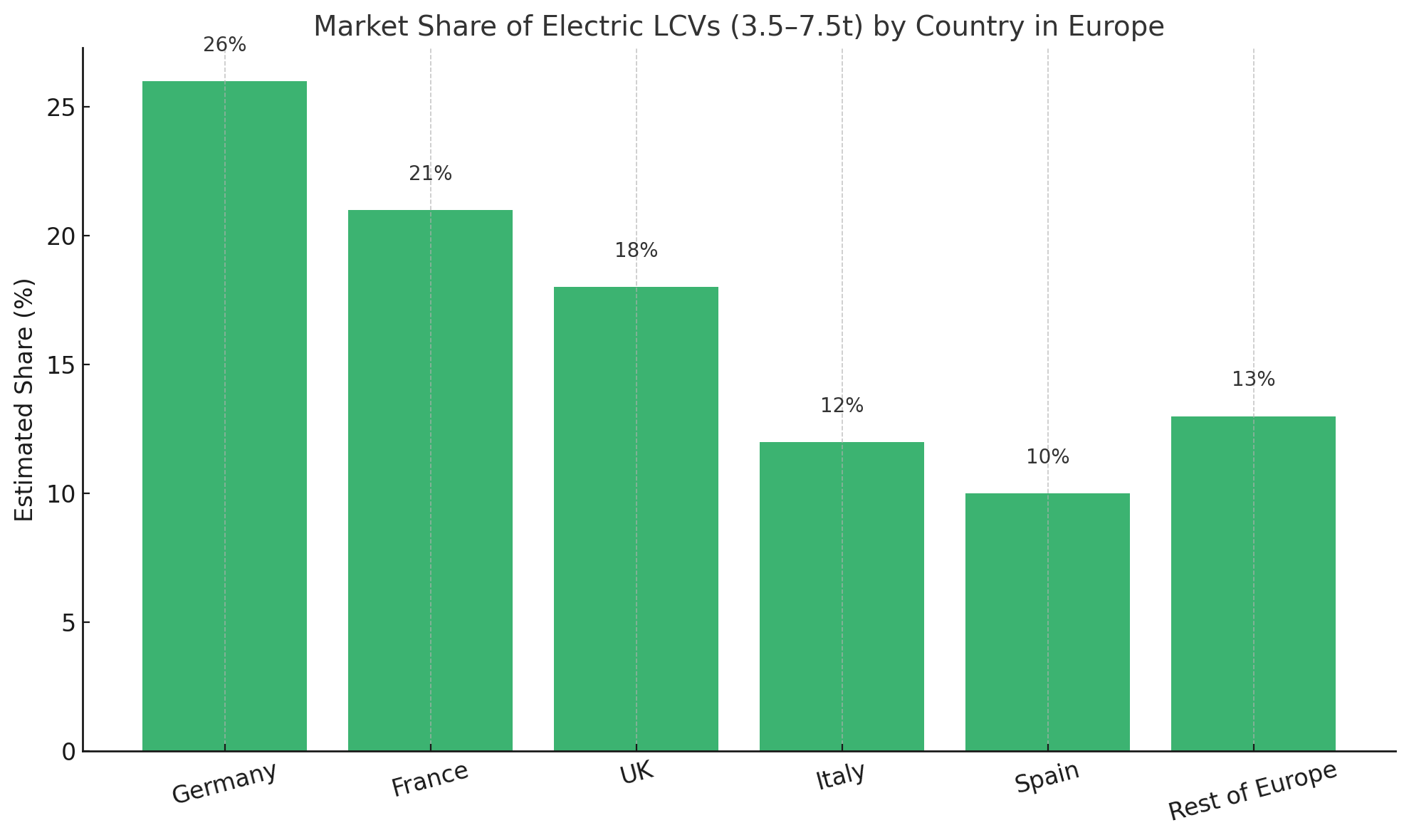
Electric light commercial vehicles (LCVs) are rapidly gaining traction across Europe in the 3.5–7.5 ton segment. Discover the key trends driving this shift – from post-pandemic delivery booms and stricter emissions rules to the rise of versatile electric chassis cabs and lightweight body solutions like Kit-Go.
Europe's light commercial vehicle market is entering an electric era. In the 3.5–7.5 ton segment, a confluence of factors is driving rapid adoption of electric powertrains: post-pandemic delivery growth, stricter emissions regulations, and the emergence of versatile electric chassis cab models. This shift presents both challenges and opportunities – and companies like Kit-Go, with our lightweight aluminum body kits, are positioned to play a crucial role in this transformation.
Post-Pandemic Growth and Urban Demand
After a pandemic dip, LCV sales have rebounded strongly in major European markets. For example, the UK recorded a 21% surge in new LCV registrations in 2023 compared to the prior year – a clear sign of recovery and booming urban logistics. The rise of e-commerce and home deliveries has kept vans busy, especially in cities. Fleet operators are now keen to embrace electric vehicles (EVs) to ensure access to low-emission zones and to appeal to customers demanding greener delivery options.
Emissions Policies Accelerate Electrification
Stricter emissions regulations are another key driver. European policies are pushing for cleaner commercial vehicles – with targets like a 50% CO₂ reduction for new vans by 2030 and zero emissions by 2035. Many city centers (from London to Paris) are introducing or expanding ultra-low emission zones, effectively encouraging businesses to adopt electric vans and trucks. Generous government incentives and purchase subsidies for electric LCVs further sweeten the deal. As a result, what started as an environmental initiative has become a business necessity for many fleet operators.
From Vans to Versatile Chassis Cabs
Initially, electrification efforts focused on standard vans, but attention is now shifting to chassis cab models. Chassis cabs are basically the "skeleton" of a truck or van (cab + frame) that can be fitted with various bodies – box cargo, dropside flatbeds, tippers, and more. This flexibility is essential for many industries (construction, utilities, deliveries) and until recently was missing in the EV space. Now, established manufacturers and new entrants are racing to fill this gap with electric chassis cabs that can handle the 3.5–7.5t weight class.
The Weight Challenge and Kit-Go's Solution
Here's where things get interesting: electric drivetrains are heavier than diesel ones due to battery packs. In a world where payload matters, every kilogram counts. Traditional steel bodies, which were acceptable on diesel chassis, can eat up precious payload capacity on electric vehicles. This is precisely where Kit-Go's lightweight aluminum body kits shine. Our solutions can reduce body weight by hundreds of kilograms compared to conventional steel alternatives, directly translating to more cargo capacity or extended range.
Market Trends and Opportunities
The chassis cab segment, while still smaller than standard panel vans, is growing steadily as businesses across construction, utilities, and last-mile logistics recognise the flexibility these platforms offer when paired with the right body solution. Electrification adoption varies significantly by market, vehicle category, and use case — but the direction across Western Europe is clearly and consistently upward.
Looking Forward
The transition to electric LCVs is not just about swapping powertrains – it's about rethinking the entire vehicle ecosystem. Lightweight construction, rapid assembly, and adaptable design are becoming crucial factors. As the market continues to evolve, companies that can provide integrated solutions combining electric chassis with optimized body kits will be best positioned to serve the growing demand.
Kit-Go is committed to supporting this transition with our "so Simple, so Fast" approach to body kit assembly, ensuring that the switch to electric doesn't mean compromising on capability or waiting months for vehicle conversion. Every electric chassis deserves a body that maximizes its potential – and that's exactly what we deliver.