OEM Strategies for Electric LCVs: Manufacturing and Partnerships
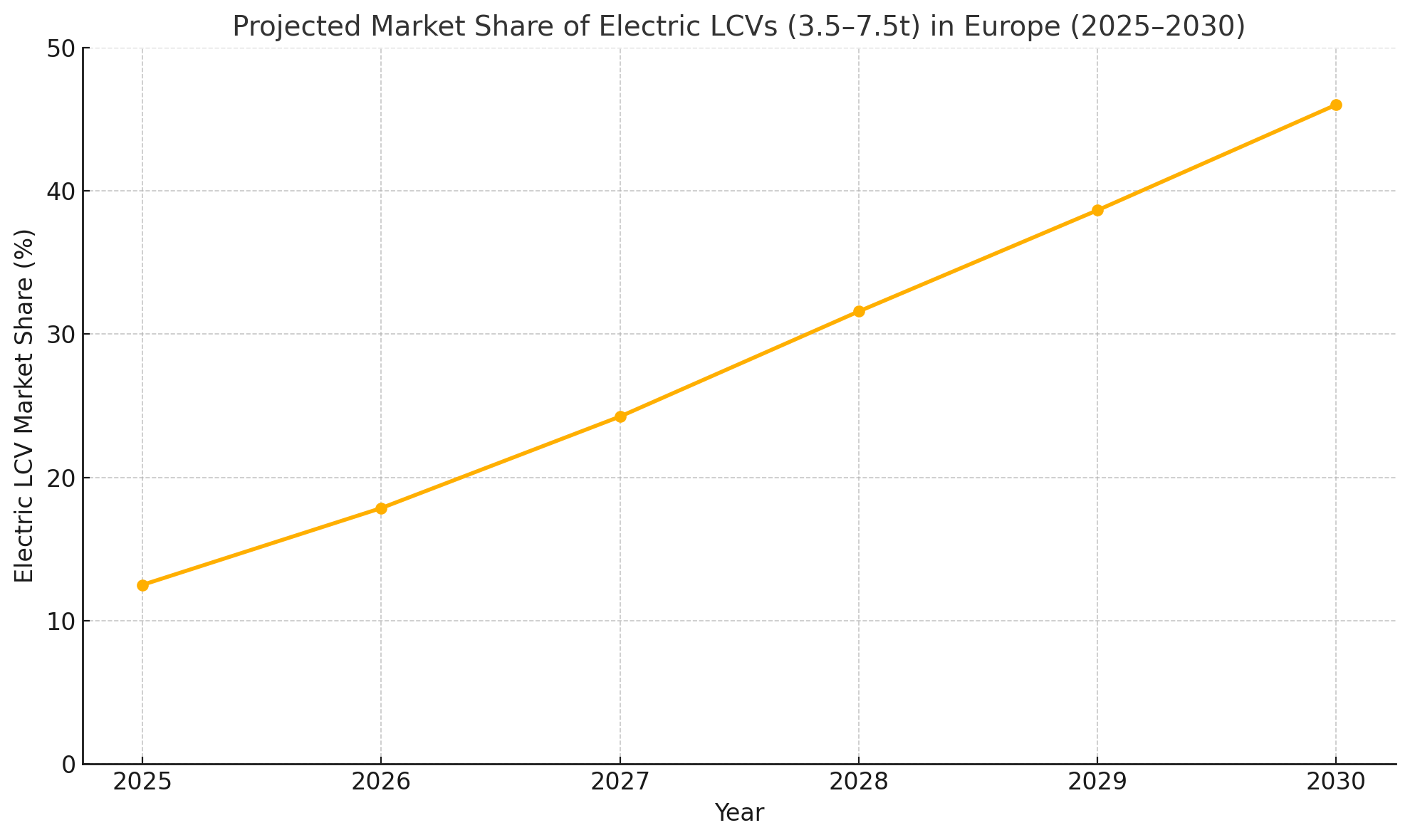
Every manufacturer's road to electrifying LCVs is slightly different, but one common theme is collaboration. Whether it's alliances between automakers, or partnerships between chassis makers and body kit suppliers, teamwork is accelerating the EV transition.
Every manufacturer's road to electrifying LCVs is slightly different, but one common theme is collaboration. Whether it's alliances between automakers, or partnerships between chassis makers and body kit suppliers, teamwork is accelerating the EV transition. This is exactly where Kit-Go comes into play.
Manufacturing giants across Europe are adapting their production lines and forging new partnerships to meet the growing demand for electric light commercial vehicles. The shift from traditional diesel-powered chassis to electric platforms requires not just technological innovation, but strategic collaboration throughout the supply chain.
OEM Platform Strategies
Major manufacturers are taking different approaches to electric LCV development. Some, like Stellantis with their shared platform across Fiat, Peugeot, Citroën, and Opel brands, are leveraging economies of scale by using common electric architectures. This allows them to spread development costs across multiple brands while offering similar capabilities under different badges.
Ford has taken a more focused approach with the E-Transit, building on the success of their conventional Transit platform. By electrifying an already popular chassis, they can leverage existing dealer networks and customer familiarity while introducing electric capabilities.
Meanwhile, Mercedes-Benz and Iveco are positioning themselves at different ends of the market – Mercedes targeting urban delivery with the eSprinter, while Iveco's eDaily covers the broader 3.5-7.2t range with modular battery configurations.
The Partnership Imperative
What's becoming clear is that no single company can handle every aspect of the electric transition alone. OEMs are forming strategic partnerships at multiple levels:
• Battery partnerships: Collaborations with battery manufacturers to secure supply and develop next-generation energy storage solutions
• Charging infrastructure: Working with energy companies and charging networks to ensure customers have access to reliable charging
• Body building alliances: Partnerships with specialized body builders and kit manufacturers to offer complete vehicle solutions
This last point is where Kit-Go's role becomes crucial. Traditional coachbuilding can add weeks or months to vehicle delivery times – a significant bottleneck when electric chassis are becoming available but need to be converted quickly to meet market demand.
Speed to Market Advantage
The electric LCV market is moving fast, and manufacturers that can deliver complete, road-ready vehicles faster will capture market share. This is why many OEMs are exploring partnerships with kit-based body solution providers like Kit-Go.
Our approach offers several advantages for OEMs:
• Predictable assembly times (hours, not weeks)
• Consistent quality across all builds
• Lightweight construction that preserves electric range
• Scalable production that can match chassis output
Supply Chain Innovation
The transition to electric is forcing innovation throughout the supply chain. Traditional steel body builders are having to adapt to aluminum construction techniques, while new players specialized in lightweight materials are entering the market.
Kit-Go represents this new generation of suppliers – purpose-built for the requirements of electric vehicles. Our aluminum construction expertise, modular design philosophy, and rapid assembly techniques align perfectly with the needs of electric chassis manufacturers.
Regional Manufacturing Strategies
European OEMs are also adapting their manufacturing footprints for electric production. Some are converting existing facilities, while others are building dedicated electric vehicle plants. These decisions affect where and how body kits can be integrated into the final assembly process.
By working directly with OEMs and dealerships, Kit-Go's ready-to-assemble body kits can be integrated into the sales process – delivering finished electric trucks to customers faster and more cost-effectively. As brands focus on the electric drivetrain, they rely on experts like us to provide the lightweight, efficient bodies that complete the vehicle.
The next few years will be crucial; the brands that adapt fastest and forge the right partnerships will lead the market. With our lightweight solutions aligning with the industry's electrification goals, Kit-Go is positioned to be a key part of this new ecosystem, helping turn each manufacturer's EV vision into a practical, road-ready reality.